
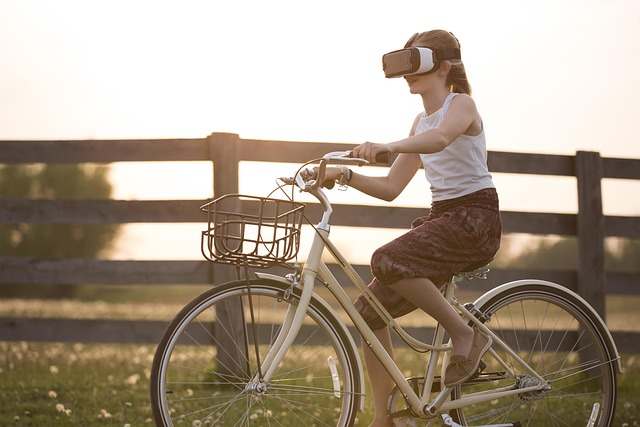

The educational landscape has evolved rapidly in recent years, driven by advances in immersive technologies such as virtual reality (VR), augmented reality (AR), and the emerging concept of the metaverse. Educators are exploring these tools to create environments where learners can experience concepts that were previously confined to textbooks or laboratories. This article examines how virtual reality teaching methods are reshaping classrooms, the complementary role of augmented reality, and the potential of metaverse platforms to foster collaborative learning on a global scale.
Foundations of Virtual Reality in Education
Virtual reality offers a three‑dimensional, interactive experience that can simulate real‑world scenarios or construct entirely new worlds. Unlike traditional media, VR immerses users in a sense of presence, allowing them to look around, move, and interact with virtual objects as if they were physically present. When applied to teaching, VR can transform abstract or dangerous concepts into tangible experiences.
- Spatial Understanding: Students can walk through a virtual model of a cell or a fossilized dinosaur to grasp spatial relationships that are difficult to convey on a flat screen.
- Experiential Learning: VR can place learners inside a historical event, enabling them to witness the context firsthand rather than reading a description.
- Safe Simulation: Laboratories for chemistry or surgery can be replicated in VR, reducing the risk of injury or costly materials.
Design Principles for Effective VR Teaching Methods
Creating an impactful VR lesson involves careful attention to instructional design. Teachers should align VR activities with clear learning objectives, provide scaffolding, and ensure that the experience is cognitively accessible.
“Immersive technology should support learning, not distract from it.” – Educational Technology Research Group
Augmented Reality: Bridging the Digital and Physical Worlds
While VR requires headsets to replace the real world with a virtual one, augmented reality overlays digital information onto the physical environment. AR can be accessed via smartphones, tablets, or AR glasses, making it more ubiquitous and less resource-intensive. In classrooms, AR can enhance textbook content with 3D models, interactive annotations, or real‑time data overlays.
Examples of AR applications include:
- Interactive anatomy apps that let students examine a virtual human body layered over a classroom setting.
- Historical reconstructions where students point their device at a landmark and see how it looked centuries ago.
- Language learning tools that tag objects with translations when viewed through an AR lens.
AR’s ability to blend digital and physical cues supports learners who benefit from multimodal experiences.
Integrating AR with Traditional Pedagogy
Teachers can embed AR tasks into routine lessons by assigning interactive worksheets that require students to scan QR codes and explore related 3D content. This approach encourages active participation and allows for immediate feedback as students navigate the augmented layer.
The Metaverse: A Collaborative Learning Frontier
The metaverse envisions a persistent, shared virtual space where users can interact through avatars, access digital resources, and collaborate in real time. Unlike standalone VR experiences, metaverse platforms aim to provide continuity across sessions and users, enabling long‑term projects, cross‑institutional exchanges, and virtual field trips.
Key features that make the metaverse appealing for education include:
- Persistent Environments: Classrooms, libraries, and laboratories can exist continuously, allowing students to return to the same space without re‑loading.
- Social Interaction: Avatars can communicate via voice, gestures, and shared whiteboards, fostering teamwork and discussion.
- Resource Sharing: Digital assets such as 3D models, datasets, or lesson plans can be shared and reused across the community.
Use Cases for Metaverse‑Based Learning
1. International Exchange Programs: Students from different countries can meet in a virtual city, explore its landmarks, and collaborate on projects in a shared workspace.
2. Long‑Term Science Projects: A cohort can build and monitor a virtual ecosystem, observing ecological interactions over simulated years.
3. Professional Development: Educators can attend virtual conferences, participate in workshops, and network with peers without leaving their local area.
Challenges and Considerations for Adoption
Despite the promise of VR, AR, and the metaverse, institutions face several hurdles before widespread implementation.
- Cost and Accessibility: High‑quality VR headsets and reliable broadband remain expensive for many schools.
- Pedagogical Alignment: Technology must enhance learning outcomes; otherwise, it risks becoming a gimmick.
- Equity and Inclusion: Not all students have equal access to the necessary hardware or have comfortable experiences in immersive environments.
- Content Creation: Developing high‑quality, curriculum‑aligned VR content requires specialized skills that many educators lack.
- Data Privacy: Metaverse platforms collect user data, raising concerns about consent and protection of minors.
Strategies to Overcome Barriers
1. Adopt a blended approach, combining AR experiences on mobile devices with occasional VR labs.
2. Partner with industry or open‑source communities to access shared assets and tutorials.
3. Provide professional development that focuses on instructional design rather than just technical proficiency.
4. Implement robust data‑protection policies and transparency reports for any metaverse platform used.
Future Directions in Immersive Education
The trajectory of immersive learning suggests several emerging trends that educators should monitor.
- Adaptive Immersion: AI algorithms that adjust difficulty, pace, and feedback in real time based on learner behavior.
- Cross‑Platform Interoperability: Standards that allow assets created in one VR ecosystem to be used seamlessly in another, reducing vendor lock‑in.
- Hybrid Reality: Blending AR and VR into a single mixed‑reality platform where digital and physical objects coexist fluidly.
- Expanded Metaverse Ecosystems: Integration with social media, e‑commerce, and professional networks to create more comprehensive learning environments.
Preparing Educators for the Next Generation
Curriculum designers and teacher training programs must incorporate immersive literacy into their courses. Key competencies include spatial reasoning, digital storytelling, and ethical considerations surrounding virtual spaces. By embedding these skills early, educators will be better equipped to harness virtual reality teaching methods effectively.
Conclusion
Virtual reality, augmented reality, and the metaverse collectively offer powerful avenues for enriching education. They shift the paradigm from passive reception to active exploration, collaboration, and creativity. While challenges remain, thoughtful implementation grounded in pedagogical principles can unlock transformative learning experiences. As technology continues to mature, the integration of these immersive tools will become a standard component of progressive educational ecosystems, preparing learners for a future where digital and physical realities intertwine.