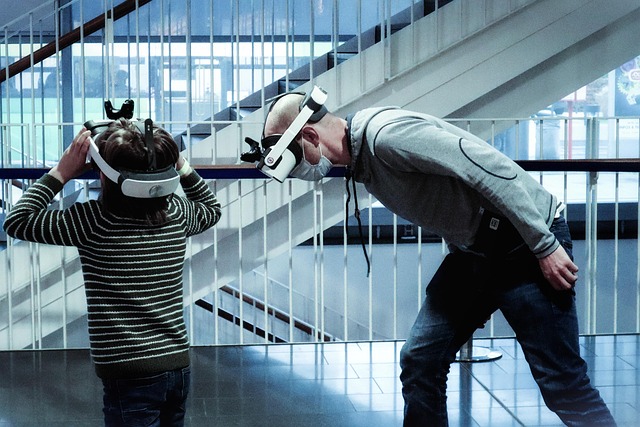
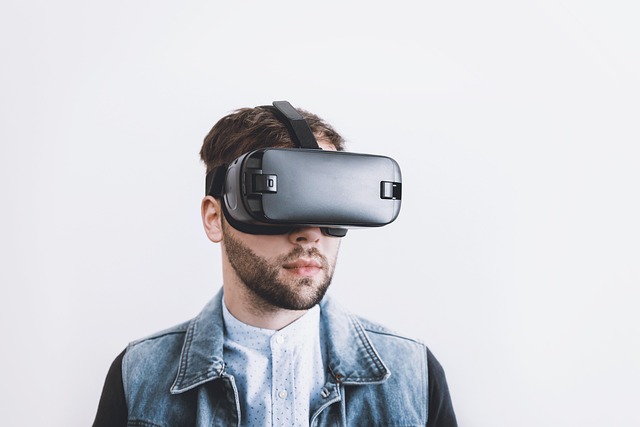

The world of interactive entertainment is evolving at an unprecedented pace, weaving together immersive technology, social connectivity, and expansive digital worlds. At the heart of this evolution lies the Virtual reality simulator, a powerful tool that allows players to step inside games that once existed only in imagination. As developers push the limits of what is possible, the lines between physical and digital experiences are blurring, giving rise to a new era where virtual environments are as vivid and responsive as the real world.
The Foundations of Immersive Gaming
For a Virtual reality simulator to deliver a truly engaging experience, it must combine three core elements: high‑fidelity graphics, precise motion tracking, and intuitive input methods. Modern headsets now offer resolution comparable to a 4K display, and motion controllers track subtle hand gestures in six degrees of freedom. When these technologies converge, they create a sense of presence—players feel like they are actually in the game space.
- Visual fidelity – Realistic textures and dynamic lighting reduce the uncanny valley effect.
- Haptic feedback – Wearable gloves and vests provide tactile sensations that mimic real touch.
- Audio spatialization – 3D sound cues guide players, enhancing situational awareness.
From First‑Person to Full‑Body Simulation
Early VR games often relied on a first‑person perspective, offering a limited window into the virtual world. Today’s virtual reality simulators expand beyond the eye level, allowing full-body interaction. In training simulators for pilots or surgeons, this level of immersion can drastically improve skill acquisition and reduce training costs. Even in entertainment, full‑body experiences transform gameplay: imagine swinging a sword with your own arm or piloting a spaceship while physically leaning into the controls.
“The leap from simple head tracking to full‑body simulation is what turns a game into a living, breathing world,” says Dr. Elena Morales, a researcher in immersive technologies.
Augmented Reality: Layering Reality with Fantasy
While Virtual reality immerses users in a separate world, Augmented reality (AR) overlays digital elements onto the physical environment. AR has become ubiquitous through mobile games like Pokémon Go, but the integration with VR simulators is creating hybrid experiences that blend the best of both worlds. For example, a VR simulation might project a holographic map onto a tabletop, allowing players to physically manipulate game objects while still being immersed in a virtual environment.
- Real‑time interaction – Players can use gestures to pull up tooltips or manipulate in‑game assets.
- Contextual information – AR can provide live data about the player’s surroundings, enhancing immersion.
- Social connectivity – Multiple users can share the same AR overlays, fostering collaboration.
Metaverse: The Next Generation of Shared Virtual Spaces
The concept of the metaverse has shifted from science fiction to tangible development. In the metaverse, virtual worlds coexist with the real world, connected by persistent, interoperable digital layers. A Virtual reality simulator can serve as the gateway to these worlds, offering seamless transitions from one environment to another without breaking immersion. Developers are designing metaverse hubs where users can trade virtual goods, attend concerts, or collaborate on creative projects—all while remaining in the same spatial context.
Economics and Ownership in the Metaverse
Digital ownership is a cornerstone of the metaverse economy. Non‑fungible tokens (NFTs) and blockchain technology enable players to prove ownership of unique items, ranging from cosmetic skins to functional tools that affect gameplay. Within a Virtual reality simulator, these assets can be worn, used, or traded in real time, providing a new layer of depth to player experience. The ability to carry and showcase owned items in multiple metaverse locations encourages long‑term engagement and a vibrant virtual marketplace.
Accessibility and Inclusivity in Immersive Gaming
One of the most exciting prospects of virtual reality simulators is their potential to democratize gaming. By lowering the barrier to entry—through affordable hardware, adaptive controls, and customizable settings—VR can become accessible to a broader audience. Developers are incorporating features such as adjustable field of view, voice‑controlled navigation, and adaptive difficulty to accommodate diverse player needs.
Health and Safety Considerations
As players spend more time in VR, health and safety become paramount. Motion sickness remains a challenge, but careful design—such as maintaining a stable frame rate and providing physical reference points—can mitigate discomfort. Additionally, safety guidelines encourage players to clear their play area and take regular breaks. Virtual reality simulators designed with user well‑being in mind are setting industry standards for responsible gaming.
Future Trends: What Lies Ahead for Virtual Reality Simulators?
Looking forward, several trends are poised to shape the trajectory of immersive gaming:
- AI‑driven NPCs – Non‑player characters that adapt in real time to player behavior.
- Cross‑platform interoperability – Seamless movement between different VR systems and metaverse platforms.
- Mixed reality storytelling – Narrative experiences that blend AR overlays with full VR environments.
- Enhanced social interactions – Virtual avatars that mimic real‑world gestures and emotions.
Conclusion: The Ever‑Expanding Horizon of Immersive Gaming
The convergence of Virtual reality simulators, Augmented reality, and the metaverse is redefining what it means to play. These technologies are not just adding new layers to existing games; they are fundamentally reshaping game design, player interaction, and the economics of digital worlds. As hardware becomes more affordable, software more sophisticated, and communities more interconnected, the future of gaming will likely hinge on how well we can blur the boundary between the real and the virtual.