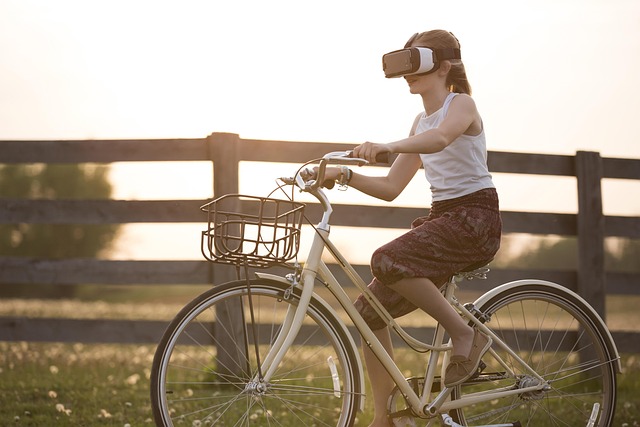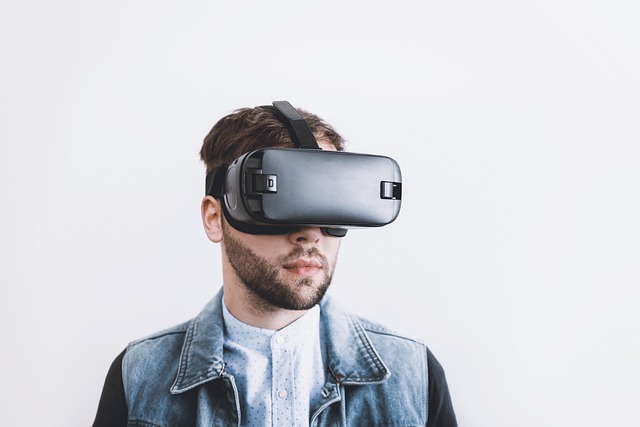
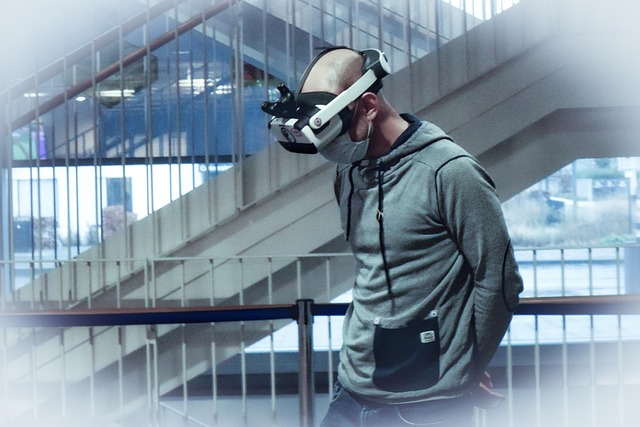

The evolution of virtual reality (VR) has transformed how we approach training across industries. A well‑designed training VR program now offers immersive, context‑rich experiences that replicate real‑world scenarios without the associated risks or costs. By placing learners inside a fully interactive environment, they can practice critical skills, receive immediate feedback, and develop muscle memory in a way that traditional classroom or simulation methods cannot match. This article explores how such training VR programs harness the power of simulation, augmented reality (AR), and the expanding metaverse to create transformative learning experiences.
Foundations of an Effective Training VR Program
At its core, a training VR program must blend realistic physics, intuitive controls, and purposeful learning objectives. The first step is to define the skill set to be taught—whether it’s surgical technique, emergency response, or complex machinery operation. Once objectives are clear, designers create a virtual scenario that mirrors the real environment as closely as possible, using high‑resolution 3D models, accurate sound cues, and haptic feedback to simulate touch and resistance. This fidelity ensures that the transfer of skills from virtual to physical settings is seamless.
- Realism: Accurate environmental modeling and physics engines.
- Interactivity: Hand controllers and eye‑tracking for natural manipulation.
- Assessment: In‑situ metrics to gauge performance and progression.
Leveraging Augmented Reality for Hybrid Learning
While VR offers full immersion, augmented reality (AR) can bridge the gap between virtual practice and real‑world application. An AR overlay can project critical information—such as tool usage guides, safety warnings, or procedural checklists—onto the learner’s physical workspace. This hybrid approach allows professionals to see how virtual insights translate to tangible actions. For example, a maintenance technician might use an AR headset to receive step‑by‑step instructions while working on an actual machine, reinforcing the procedures practiced in the training VR program.
“The synergy between VR and AR creates a learning continuum that feels natural and engaging,” says Dr. Elena Martinez, a cognitive scientist specializing in simulation-based training.
Simulation as the Engine of the Metaverse Learning Experience
Simulations are the backbone of the metaverse, enabling persistent, shared worlds where participants can interact, collaborate, and learn together. In a training VR program, simulation isn’t just a background feature—it shapes every interaction. The environment reacts to user actions, adapts to mistakes, and evolves based on collective input. This dynamic nature encourages experimentation: learners can try different approaches, see the consequences, and refine their strategies in real time.
Moreover, simulation supports social learning. By integrating multiplayer modes, trainees can work in teams, share observations, and receive peer feedback. These social dynamics mirror real‑world work settings, preparing users for collaboration in diverse contexts.
Key Benefits for Various Sectors
Different industries reap unique advantages from training VR programs. Below are a few examples illustrating how simulation elevates learning across sectors:
- Healthcare: Surgeons can rehearse complex procedures on virtual patients, reducing errors during actual operations.
- Aviation: Pilots train on realistic cockpit simulations that replicate weather, system failures, and emergency protocols.
Emergency teams rehearse coordinated responses to fires, earthquakes, and pandemics with real‑time situational awareness.
Designing for Accessibility and Inclusivity
To ensure that training VR programs reach a wide audience, designers must address accessibility. This includes adjustable field of view, alternative input methods, and visual or auditory cues for users with impairments. Inclusive design also means crafting content that respects cultural differences and avoids bias. By embedding diverse scenarios and user choices, the program empowers participants from varied backgrounds to see themselves represented and to contribute meaningfully.
Accessibility is not merely a compliance requirement; it expands the training VR program’s impact, making high‑quality learning available to people who might otherwise be excluded from advanced training opportunities.
Future Directions: AI, Adaptive Learning, and Continuous Improvement
Artificial intelligence (AI) is poised to revolutionize training VR programs by providing personalized learning pathways. Machine learning algorithms can analyze a trainee’s performance, identify weak points, and adjust difficulty levels or provide targeted hints. Adaptive learning ensures that each learner moves at their own pace, maximizing retention and skill mastery.
Additionally, cloud‑based analytics allow organizations to track progress across teams, identify trends, and refine curricula over time. Continuous improvement turns the training VR program into a living system that evolves with emerging technologies, industry standards, and user feedback.
Implementing a Training VR Program in Your Organization
Launching a training VR program requires careful planning. Start by mapping out learning objectives and identifying the target audience. Collaborate with subject matter experts to develop accurate content and consult VR specialists for technical execution. Pilot the program with a small group to gather data, then iterate based on real‑world results.
Consider the following practical steps:
- Needs Assessment: Conduct surveys and interviews to understand skill gaps.
- Technology Selection: Choose headsets, controllers, and software that align with performance and budget constraints.
- Content Development: Use modular design to allow easy updates and reuse across departments.
- Training & Support: Provide orientation sessions for users and establish help desks.
- Evaluation: Implement metrics such as task completion time, error rates, and knowledge retention tests.
By following a structured approach, organizations can maximize ROI and ensure that the training VR program delivers tangible performance gains.
Conclusion: The Promise of Immersive Simulation
Training VR programs stand at the intersection of technology, pedagogy, and industry demand. Their ability to simulate realistic scenarios, integrate AR for hybrid learning, and thrive within the metaverse makes them powerful tools for skill acquisition and workforce development. As AI, adaptive learning, and cloud analytics mature, these programs will become even more personalized, scalable, and effective.
Ultimately, immersive simulation is not just a novelty; it’s a transformative approach that reshapes how we train, collaborate, and innovate across sectors. Organizations that embrace this technology today will be better positioned to meet the complex challenges of tomorrow.