
Welcome to a fascinating exploration into the future of technology! In the ever-evolving realm of simulation algorithms, we find ourselves standing at the crossroads of virtual reality, augmented reality, and the metaverse. The concept of simulation algorithms might sound complex and futuristic, but in reality, these algorithms are already shaping the way we interact with technology and the world around us.
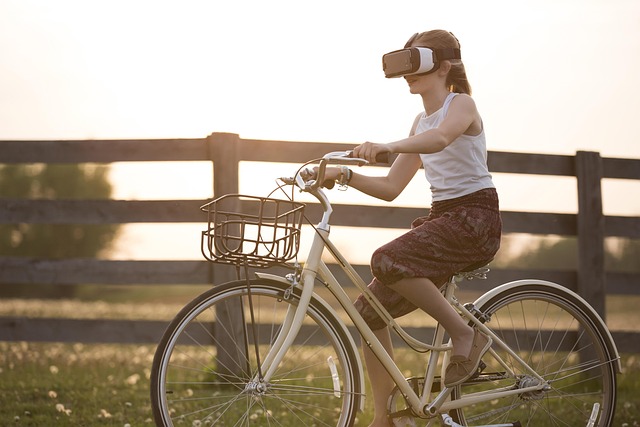
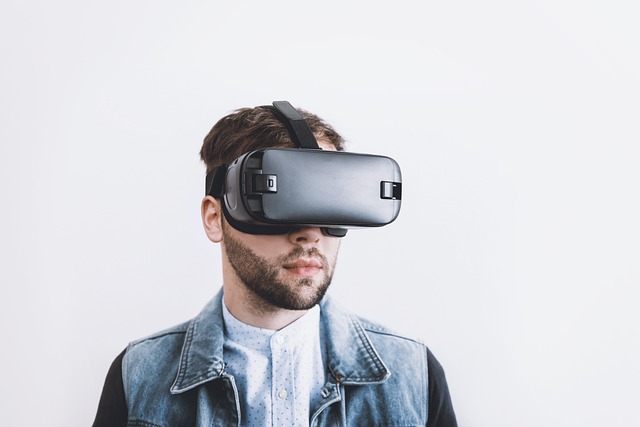
Let’s start our journey by delving into virtual reality (VR) – a simulated environment created with advanced technology that allows users to interact in a digital space. Imagine being able to step into a whole new world, free from the constraints of the physical realm. From immersive gaming experiences to virtual tours of far-off locales, VR has the power to transport us to places we’ve only dreamt of.
Next, we have augmented reality (AR), which overlays digital information onto the real world. AR technology has made its mark in various industries, from education to healthcare, providing interactive and informative experiences. Picture being able to see real-time translations of a foreign language or visualize complex medical procedures – all through the lens of AR.
And finally, we arrive at the metaverse – a collective virtual shared space, typically accessed through the internet, where users can interact with a computer-generated environment and other users. Think of it as a digital universe where the possibilities are endless. With the rise of social virtual worlds and online communities, the metaverse is becoming a hub for socialization, commerce, and entertainment.
As we navigate through these interconnected worlds, simulation algorithms play a crucial role in creating seamless and realistic experiences. These algorithms are the backbone of virtual environments, determining how objects move, interact, and behave. By continuously refining and optimizing simulation algorithms, developers can enhance the immersion and authenticity of VR, AR, and the metaverse.
So, what does the future hold for simulation algorithms in virtual reality, augmented reality, and the metaverse? With advancements in artificial intelligence, machine learning, and spatial computing, we can expect to see even more lifelike and dynamic simulations. From hyper-realistic virtual worlds to personalized AR overlays, the boundaries between the physical and digital realms will continue to blur.
Join us on this thrilling ride as we unravel the endless possibilities of simulation algorithms in shaping the future of technology. With each new innovation and breakthrough, we are one step closer to unlocking the full potential of virtual reality, augmented reality, and the metaverse. The future is here – are you ready to explore?