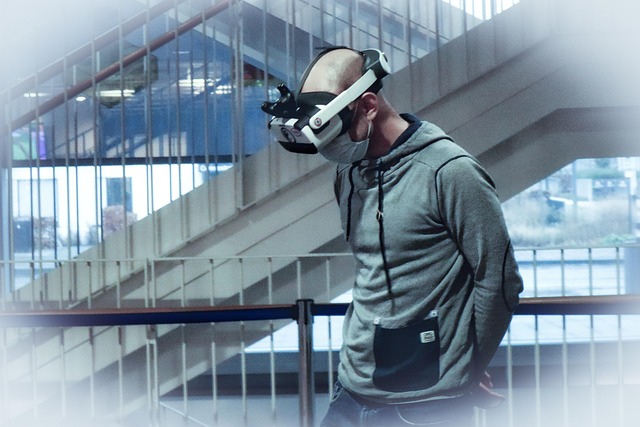


In an era where digital experiences are reshaping the way we learn, explore, and connect, virtual tours have become a cornerstone of interactive storytelling. By blending visual fidelity with intuitive navigation, these immersive journeys allow users to step inside distant museums, traverse ancient ruins, or wander the streets of bustling cities—all from the comfort of their own living rooms. The evolution of virtual tours reflects a broader shift toward more engaging, accessible, and socially rich environments, where the boundary between the physical and the digital is increasingly blurred.
Virtual Tours: A New Way to Experience Space
Traditional tours—whether guided, self‑paced, or virtual—rely heavily on two dimensions: sight and sound. Virtual tours elevate this experience by adding depth, interaction, and context, creating a sense of presence that text descriptions and static images can rarely match. Whether you’re a museum curator, a travel agency, or an educator, the possibilities for storytelling and engagement are vast.
- 360‑degree panoramic imagery gives a bird’s‑eye view of architectural masterpieces.
- Contextual overlays highlight historical details without cluttering the scene.
- Interactive hotspots trigger videos, audio narration, or 3D models, inviting deeper exploration.
- Custom avatars let users navigate shared spaces, fostering collaboration and community.
The Immersive Power of Virtual Reality
Virtual reality (VR) is the most direct bridge to immersion. When paired with head‑mounted displays and motion tracking, VR turns a virtual tour into a first‑person adventure. Users feel as though they are standing in a museum corridor, walking along a historical battlefield, or hovering over a floating art installation. The technology’s capacity to simulate real‑world physics—gravity, scale, and perspective—helps anchor the experience, making it both credible and emotionally resonant.
“In VR, the line between observer and participant dissolves,” says a seasoned VR developer. “That sense of presence is what turns a virtual tour into a memorable journey.”
Augmented Reality: Layering the Real World
Unlike VR, augmented reality (AR) enhances the environment we already occupy. By overlaying digital content onto live video captured through a smartphone or tablet, AR invites users to discover hidden layers of meaning in familiar settings. A virtual tour designed for AR might transform a city street into a timeline of architectural evolution, or let a visitor see how a cathedral’s interior would look in a different era.
Key strengths of AR in virtual tours include: immediacy, as it requires no additional hardware beyond a mobile device; contextual relevance, since it ties digital narratives to real‑world locations; and social shareability, as users can capture and distribute their AR experiences in real time.
Metaverse: The Future Playground
The metaverse represents the next evolutionary step for virtual tours. It is an expansive, persistent digital ecosystem where users can move between different experiences, maintain persistent avatars, and participate in real‑time events. In a metaverse‑enabled virtual tour, a museum might host a live lecture, a gallery opening, or an interactive scavenger hunt—all while maintaining the same shared spatial context.
For content creators, the metaverse opens new avenues for monetization, co‑creation, and audience engagement. For users, it offers unprecedented flexibility: they can switch from VR to AR to 2‑D screens, all within the same virtual space, tailoring the experience to their preferences and devices.
Interactive Elements That Drive Engagement
Interactivity is what turns passive viewing into active participation. A well‑designed virtual tour incorporates a variety of interactive elements that respond to user input, encouraging exploration and personal discovery.
- Hotspots: Tappable points that reveal multimedia content.
- Dynamic Narration: Voice tracks that adapt based on user choices.
- Gamified Challenges: Quizzes or treasure hunts that reward curiosity.
- Social Features: Chat, voice, or co‑navigation that foster community.
When combined, these elements create a learning loop: users discover, absorb, and apply knowledge, reinforcing engagement and retention.
Case Studies in Interactive VR/AR
Across various industries, creators have harnessed the power of VR and AR to deliver compelling virtual tours:
- Art Gallery VR Experience – A museum in Seoul uses full‑body tracking to allow visitors to “walk” through a historical exhibition, complete with voice‑over explanations that respond to the direction of gaze.
- Historic City AR Trail – A European city offers a mobile AR trail that overlays centuries‑old street maps onto present‑day streets, letting tourists see how the city evolved over time.
- Space Exploration Metaverse – An educational platform invites users to explore a simulated solar system, where they can interact with planetary bodies, launch virtual missions, and collaborate with peers worldwide.
Each example demonstrates how interactivity, contextual storytelling, and technology converge to elevate the sense of presence and learning.
Design Principles for Effective Virtual Tours
Creating a high‑impact virtual tour is as much an art as it is a technical endeavor. Below are essential design principles to guide developers, designers, and storytellers.
- User-Centered Navigation: Provide clear landmarks, intuitive controls, and adjustable speed to accommodate diverse audiences.
- Consistent Spatial Cues: Use lighting, perspective, and scale to maintain a believable environment.
- Contextual Depth: Offer multiple layers of information—brief summaries for casual users and in‑depth data for experts.
- Accessibility: Incorporate subtitles, adjustable audio levels, and support for assistive devices.
- Performance Optimization: Ensure smooth rendering on a range of hardware to minimize motion sickness and lag.
- Scalability: Build modular assets so new content can be added without overhauling the entire experience.
- Analytics Integration: Track user engagement to refine storytelling and interactivity over time.
Challenges and Opportunities Ahead
While the potential of virtual tours is immense, several hurdles remain. Technical constraints—such as high bandwidth requirements, limited device compatibility, and the need for realistic rendering—can slow adoption. Moreover, ensuring inclusivity and accessibility across diverse user groups demands thoughtful design and testing.
On the opportunity side, advancements in cloud computing, 5G connectivity, and AI‑powered content generation are poised to make immersive experiences more affordable and scalable. Additionally, the rise of mixed reality devices that blend VR, AR, and traditional displays suggests a future where virtual tours become seamlessly integrated into everyday life.
Concluding Thoughts
Virtual tours, powered by virtual reality, augmented reality, and the evolving metaverse, are redefining how we perceive and interact with the world. They transcend geographic boundaries, democratize access to cultural heritage, and foster new forms of collaboration and learning. By embracing interactivity, thoughtful design, and emerging technologies, creators can craft experiences that are not only engaging but also meaningful. As the digital landscape continues to grow, the promise of virtual tours will only become more profound, offering audiences around the globe the chance to explore, discover, and connect in ways previously unimaginable.