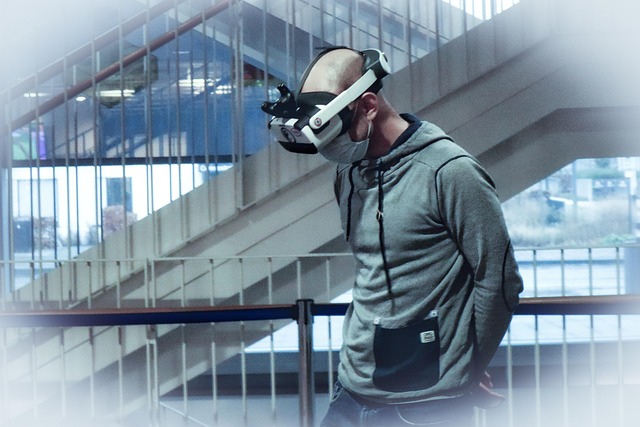


When educators first imagined delivering a course from a remote location, the idea was limited to video calls and screen‑shared slides. Today, a virtual lecture can take place inside a fully simulated environment where students move, interact, and experience the subject matter as if they were physically present. This leap from screen‑based learning to embodied, spatial experiences is powered by three interlocking technologies: virtual reality (VR), augmented reality (AR), and the emerging metaverse. Together, they transform the way information is conveyed, how students engage with content, and the possibilities for collaboration across the globe.
The Evolution of Virtual Lectures
Historically, online learning began with simple audio or pre‑recorded video. As bandwidth increased, live streaming became commonplace, offering real‑time interaction. The introduction of WebRTC enabled low‑latency video chat, but interaction remained confined to a 2‑D interface. VR headsets like the Oculus Rift, HTC Vive, and later the Meta Quest shifted the paradigm by placing users inside a three‑dimensional space. Augmented reality, with devices such as Microsoft HoloLens and smartphone AR apps, overlays digital information onto the physical world. The metaverse, a persistent and shared virtual space, blends these technologies, allowing users to inhabit and collaborate in richly interactive environments. The term “virtual lecture” has thus evolved from a video call to an immersive, participatory event that leverages spatial audio, haptic feedback, and real‑time avatar movement.
Core Technologies: VR, AR, and the Metaverse
Virtual reality creates a complete digital environment that isolates the user from the physical world. High‑resolution head‑mounted displays (HMDs) track head and hand movements, enabling natural navigation and manipulation of objects. Augmented reality, in contrast, augments the user’s real surroundings with computer‑generated graphics. Devices such as smart glasses or phone cameras render 3D overlays that can be anchored to physical markers or geolocations. The metaverse extends these concepts by providing a persistent, interconnected platform where users can move between different virtual spaces, maintain their identities, and participate in a continuous narrative. In a virtual lecture, these technologies combine to deliver a lecture hall that feels tangible, a whiteboard that responds to gestures, and a global audience that can collaborate in real time.
Interaction Modalities in Virtual Lectures
Effective interaction in a virtual lecture relies on several modalities:
- Spatial Audio: Voice is rendered from the direction of each speaker, creating a natural conversational flow and allowing students to identify who is speaking in a crowded virtual classroom.
- Gesture Recognition: Hand tracking lets participants point, draw, or gesticulate, mirroring the dynamics of a traditional lecture hall.
- Haptic Feedback: Controllers or gloves provide tactile sensations when interacting with virtual objects, reinforcing the sense of presence.
- Collaborative Whiteboards: Shared digital canvases allow real‑time annotation, diagramming, and problem solving, accessible from any device.
- Avatar Expressiveness: Facial tracking and eye‑contact rendering convey emotion and attention, fostering a sense of community.
These modalities together ensure that a virtual lecture is more than a passive recording; it becomes an engaging, participatory experience that mirrors in‑person learning.
Designing for Presence and Engagement
To create a compelling virtual lecture, designers must prioritize presence—the psychological sense of “being there.” Key strategies include:
- Environmental Realism: High‑fidelity textures, realistic lighting, and accurate physics help users feel immersed.
- Spatial Layout: Arranging seating, blackboards, and interactive stations in a familiar classroom layout reduces cognitive load.
- Interactive Elements: Embedding quizzes, polls, or virtual manipulatives encourages active learning.
- Adaptive Difficulty: Real‑time analytics can adjust content pacing based on student engagement metrics.
- Accessibility Features: Captioning, adjustable speech speed, and customizable control schemes ensure inclusive participation.
When students feel physically present, the barrier between instructor and audience diminishes, fostering spontaneous dialogue and deeper comprehension.
Challenges and Ethical Considerations
While virtual lectures offer unprecedented opportunities, several challenges remain:
- Hardware Barriers: High‑end headsets and powerful computers can be cost prohibitive, limiting equitable access.
- Motion Sickness: Poorly optimized rendering or latency can cause discomfort, reducing the effectiveness of the learning experience.
- Privacy: Avatar movements and biometric data raise concerns about data collection and surveillance.
- Digital Divide: Rural or low‑bandwidth regions may struggle to participate in bandwidth‑intensive VR sessions.
- Pedagogical Validation: There is still a need for rigorous studies to confirm that virtual lectures consistently improve learning outcomes compared to traditional methods.
Ethical design demands transparent data practices, robust security, and a commitment to accessibility to ensure that the benefits of immersive education are shared widely.
Future Outlook
The trajectory of virtual lectures is shaped by rapid advances in several domains:
- AI‑Driven Personalization: Machine learning can adapt lesson plans in real time, offering personalized tutoring or adjusting difficulty based on performance analytics.
- Cross‑Platform Interoperability: Standards such as OpenXR and interoperable avatar systems will allow students to move seamlessly between different virtual spaces.
- Full‑Body Tracking: Improved motion capture will enable more nuanced gesture recognition, making virtual interaction feel even more natural.
- Persistent Learning Environments: The metaverse will host long‑term educational communities where knowledge can be built incrementally over months or years.
- Hybrid Models: Combining physical classrooms with AR overlays can provide the best of both worlds, enhancing in‑person lectures with digital augmentation.
Ultimately, the goal is to craft virtual lectures that are not merely replicas of traditional classes but transformative experiences that unlock new modes of inquiry, collaboration, and creativity.
In conclusion, immersive interaction in VR, AR, and the metaverse is redefining the concept of a virtual lecture. By harnessing spatial audio, gesture recognition, haptic feedback, and persistent digital worlds, educators can create learning environments that feel as engaging and authentic as face‑to‑face instruction. While challenges around hardware accessibility, comfort, and privacy persist, the continued evolution of technology and thoughtful pedagogical design promise a future where distance is no longer a barrier to deep, interactive learning.