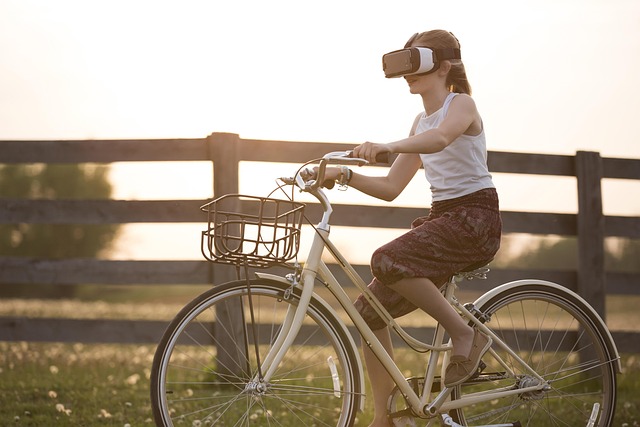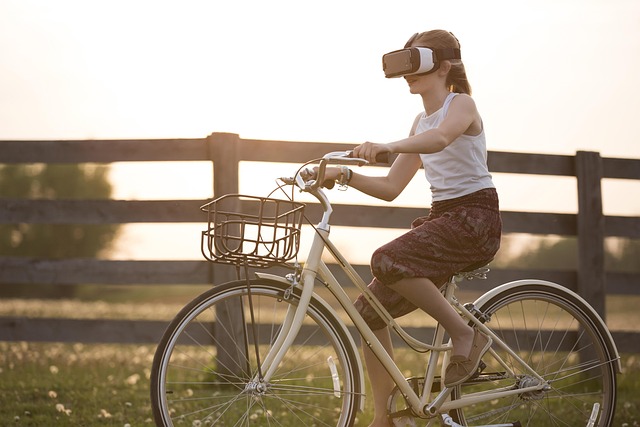
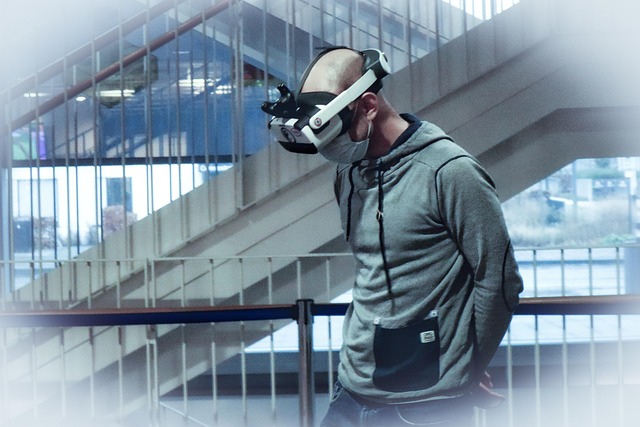

In the last decade, immersive technologies have moved from science fiction to everyday experience. The term VR center has become shorthand for spaces where people gather to explore virtual reality, augmented reality, and the emergent metaverse. These centers are more than gaming halls; they are laboratories, learning environments, and social hubs that bring together hardware, software, and human creativity. Understanding their role requires looking at how interaction is redefined when the physical world blends with digital overlays and fully simulated realms.
What Defines a VR Center?
A VR center typically houses high‑end headsets, motion capture rigs, haptic feedback devices, and powerful rendering workstations. Unlike personal setups, these spaces are designed for multiple users, allowing simultaneous exploration of shared virtual environments. The architecture often features acoustically treated rooms, adjustable lighting, and modular furniture that can be rearranged to support collaborative or solo experiences. Accessibility is a key concern: adjustable controllers, adaptive software, and guided onboarding help users of all ages and abilities engage with complex interfaces.
Hardware: The Foundation of Interaction
The quality of interaction in a VR center depends largely on the fidelity of its equipment. Modern headsets offer eye‑tracking, inside‑out tracking, and high refresh rates that reduce latency and motion sickness. Controllers with analog triggers, gesture recognition, and haptic motors give users the sensation of touch. Some centers integrate full‑body suits that translate limb movement into virtual avatars with centimeter precision. This hardware stack creates a seamless bridge between intention and experience.
From Virtual Reality to Augmented Reality
While VR immerses users inside a constructed world, augmented reality (AR) overlays digital information onto the real environment. Many VR centers now host dual setups, allowing patrons to switch between immersive and overlay modes. AR applications in such spaces can augment physical training, educational simulations, or collaborative design. For instance, a construction manager can walk through a building and see real‑time data about structural integrity projected onto the walls, all while standing in the same room.
Interaction Techniques Across Mediums
Interaction methods vary according to the technology:
- Hand tracking: Recognizes finger positions, enabling natural gestures.
- Voice commands: Allows hands‑free navigation and controls.
- Spatial audio: Conveys directionality, enhancing realism.
- Haptic feedback: Provides tactile responses to virtual stimuli.
Combining these techniques creates rich, multimodal experiences that feel intuitive and immersive.
The Metaverse: A New Frontier for VR Centers
The metaverse—an evolving network of interconnected virtual spaces—offers a vision where VR centers serve as gateways to persistent, shared worlds. Users can carry a single avatar across multiple platforms, participate in live events, or own digital assets that exist beyond any one venue. VR centers play a crucial role by providing the technical infrastructure and community support needed to navigate these complex ecosystems.
Economic Opportunities in the Metaverse
Businesses can monetize experiences through:
- Ticket sales for exclusive events.
- Subscription models for ongoing content access.
- Marketplace fees for digital goods sold within virtual spaces.
For educators and trainers, VR centers can offer paid workshops, corporate simulations, or certification programs, leveraging the immersive power of VR to enhance learning outcomes.
Social Dynamics and Community Building
Interaction in VR centers extends beyond individual immersion; it fosters community. Group activities—such as escape rooms, dance classes, or collaborative design projects—encourage teamwork and social bonding. Facilitators often guide sessions, ensuring participants remain engaged and comfortable. The sense of presence in shared virtual spaces can create strong emotional connections, sometimes exceeding those formed in physical venues.
Accessibility and Inclusivity
Ensuring that VR centers are welcoming to all requires thoughtful design:
- Customizable control schemes for users with mobility challenges.
- Audio descriptions and captioning for individuals with sensory impairments.
- Multi‑language support to cater to diverse clientele.
When these principles are embedded in the core architecture, the VR center becomes a democratized space for exploration and learning.
Future Trends Shaping VR Centers
The trajectory of VR centers points toward greater convergence of hardware, software, and content ecosystems. Advances in wireless streaming, edge computing, and AI‑driven adaptive graphics promise smoother, more responsive experiences. Meanwhile, ethical considerations—privacy, data ownership, and digital well‑being—will shape regulatory frameworks and user expectations. Centers that anticipate these shifts will be better positioned to innovate and lead in the evolving metaverse landscape.